
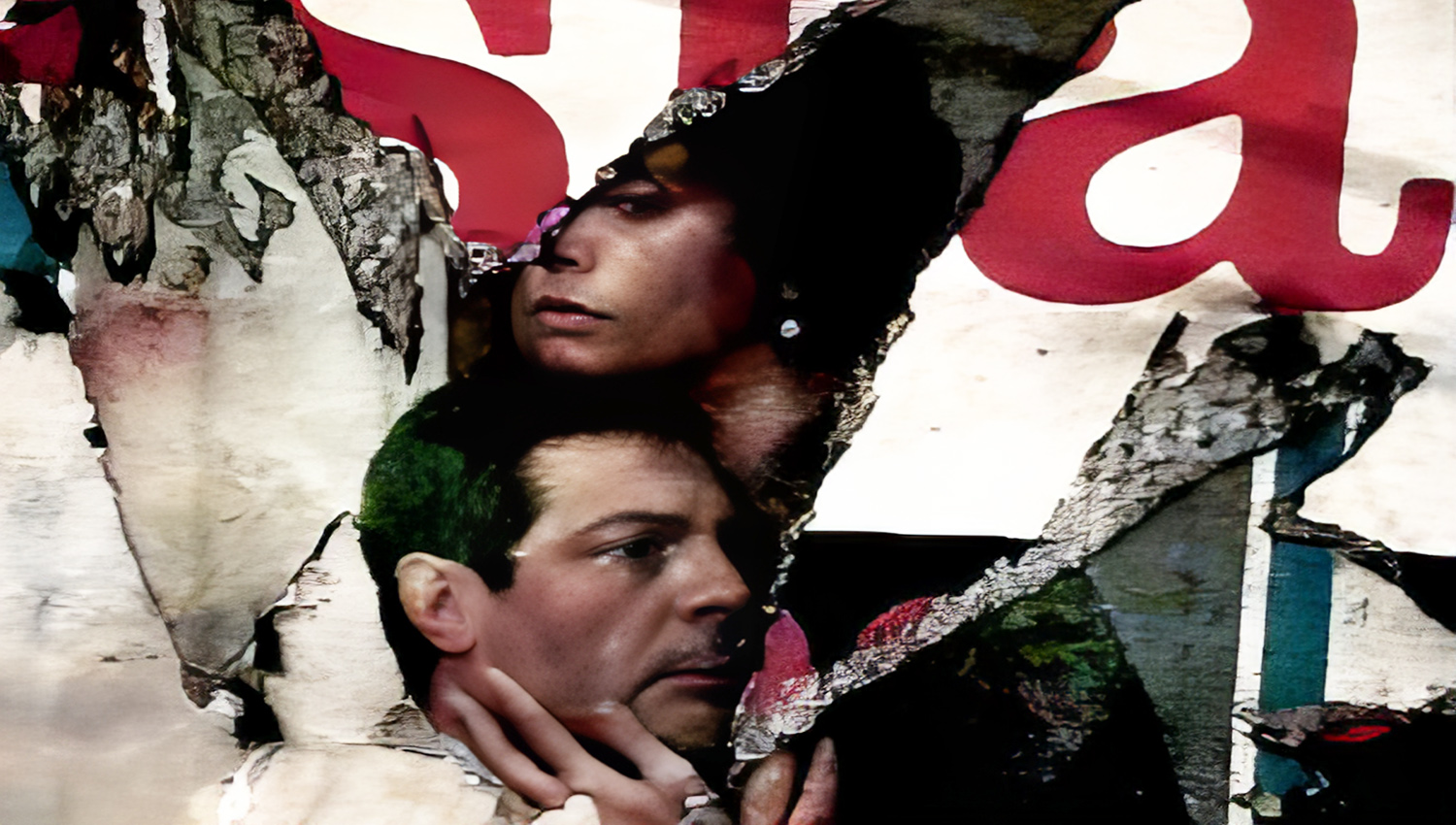

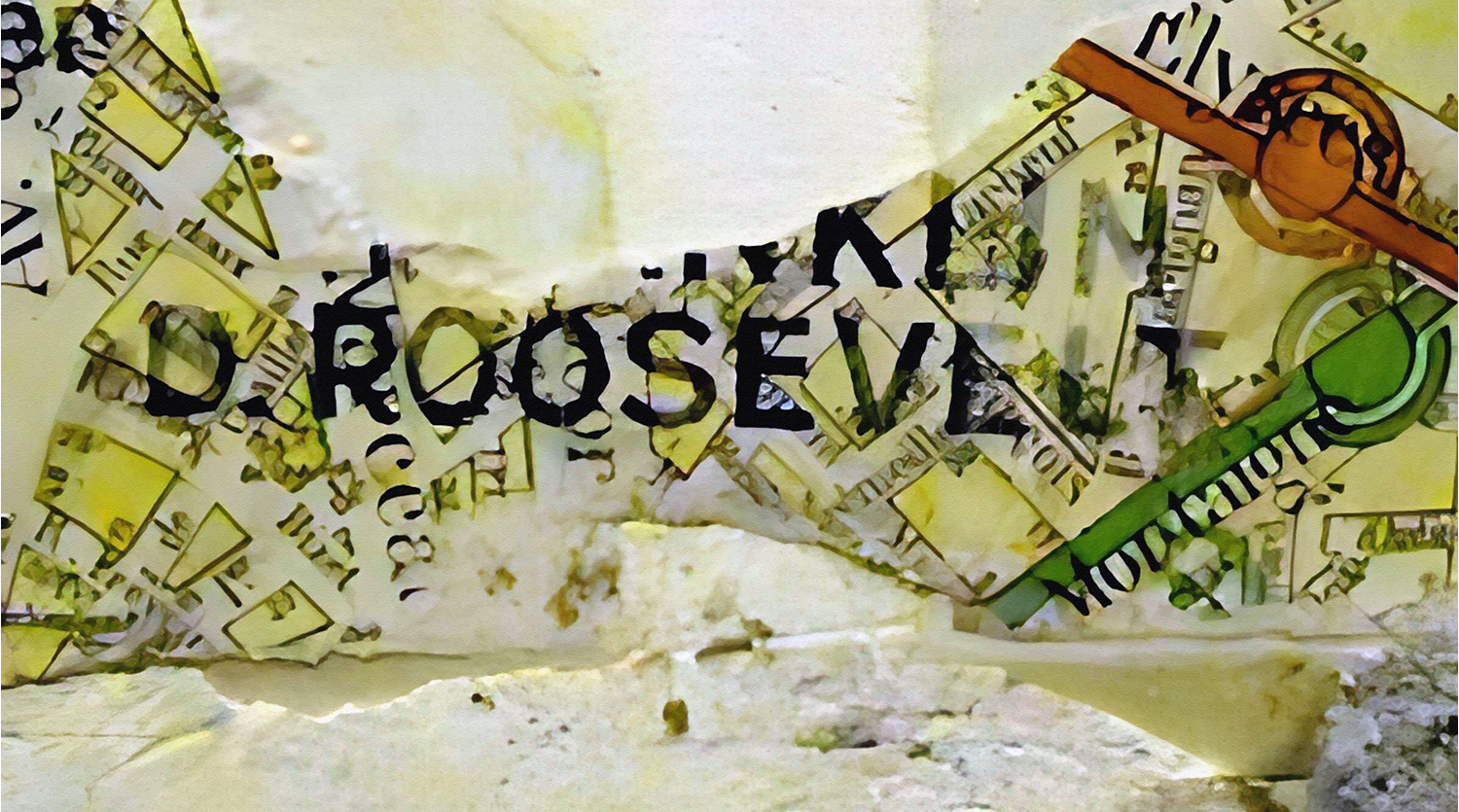
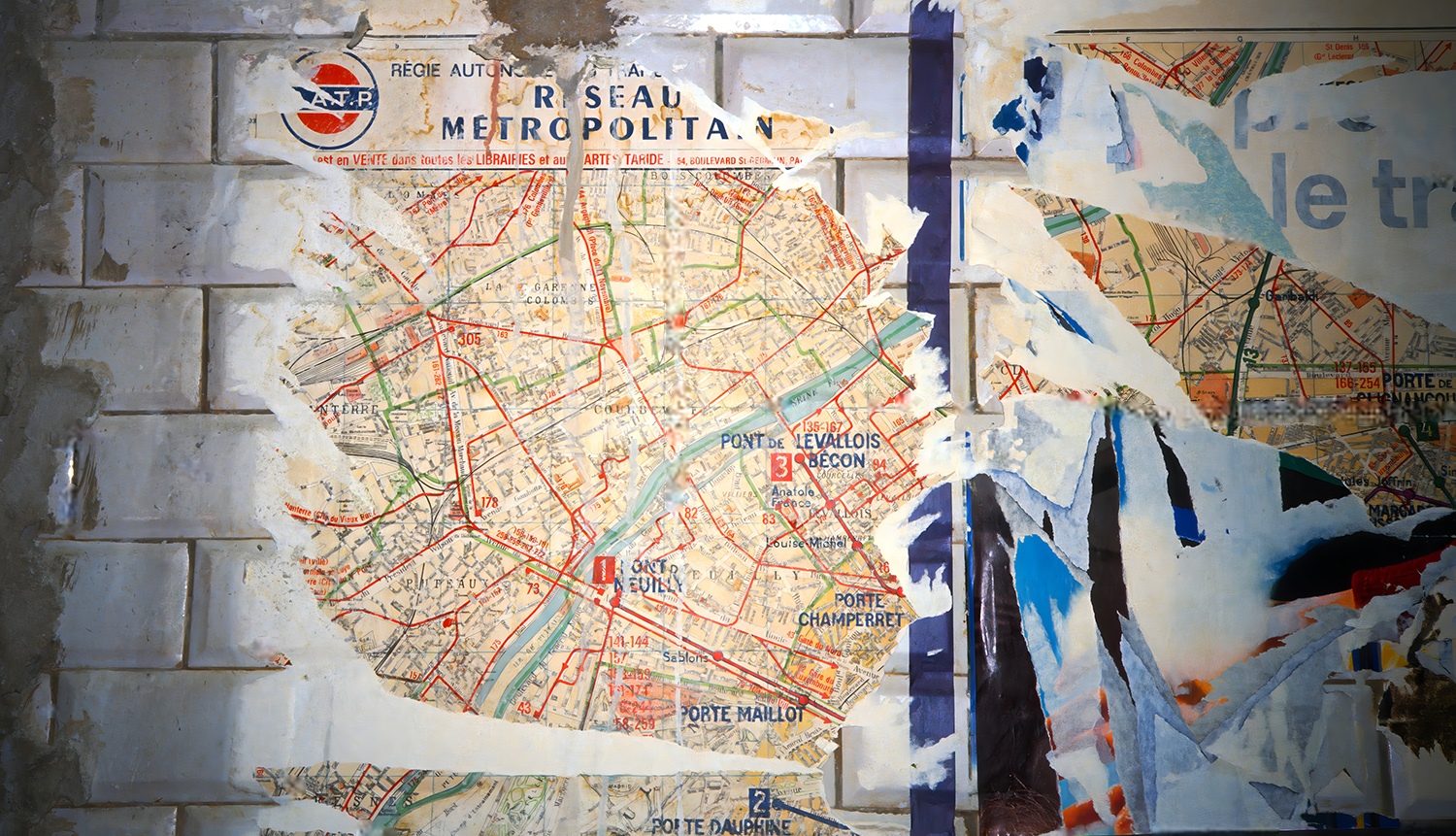

Click on the toggle button above for full screen slideshow
Mining for Fleeting Historical Gems
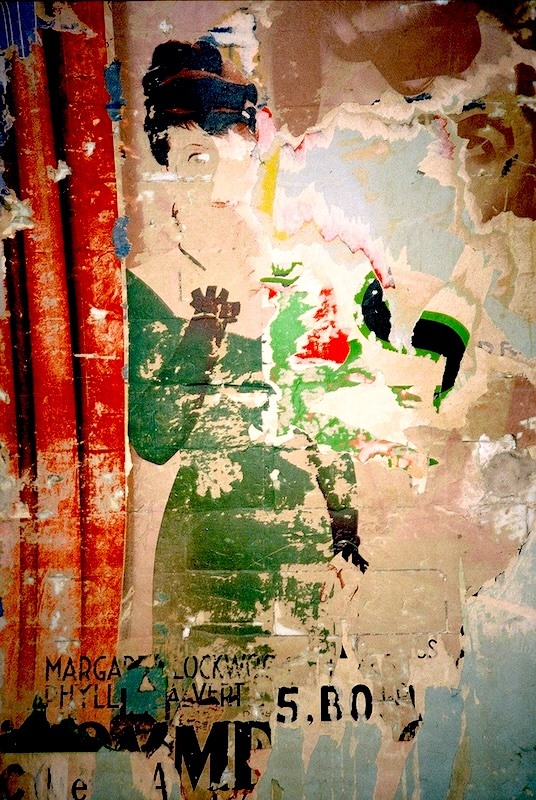
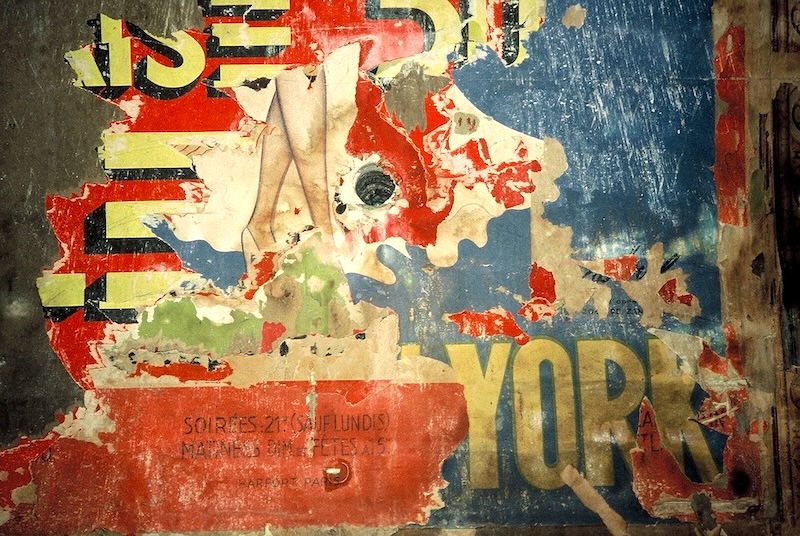
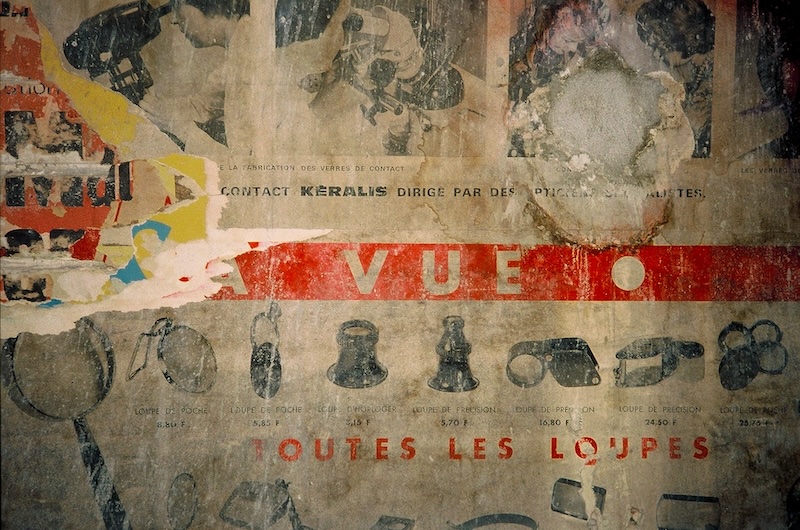
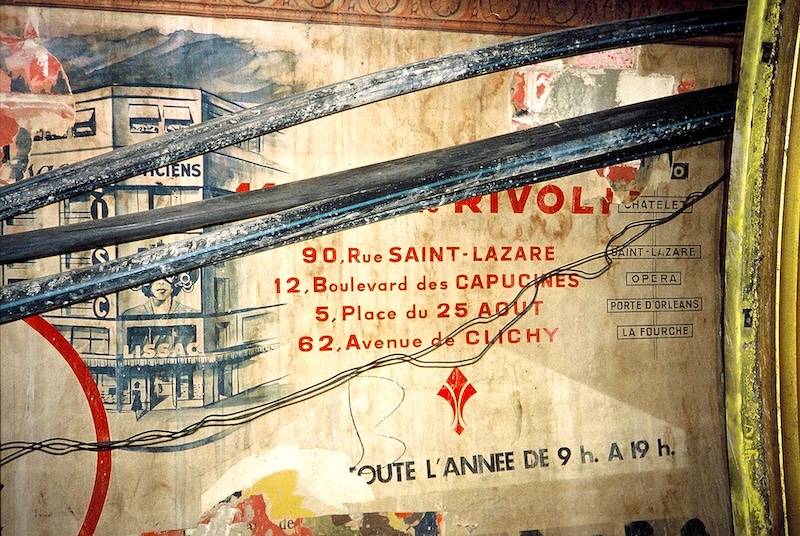
Whereas revolving exhibitions of removable artworks are rarely if ever seen inside of subway systems, one common example of ever-changing underground art is in the form of commercial posters and maps that are plastered onto the walls of the platforms, where trains and passengers come and go. From 1989 until 1996, Long before the advent of the smartphone, I stood waiting for underground trains from New York to Moscow, often intentionally traveling extensively throughout undergrounds, at first carrying a small pocket camera and cassette sound recorder, then later a minuscule amateur video camera, particularly seeking to capture rare moments that were often happenstance, without appearing to be obtrusive. In so doing, at times I caught symbolic imagery of a historical period, during which the Berlin Wall fell, France celebrated the 200th anniversary of the Declaration of the Rights of Man, the USSR disbanded, the European Union (EU) was established and the Barcelona Olympics were held. In so doing, one of the most fascinating discoveries was that of badly torn posters I came across, some of them in rare instances when stations were undergoing renovation and precious remnants of old posters briefly emerged, as fleeting historical gems.


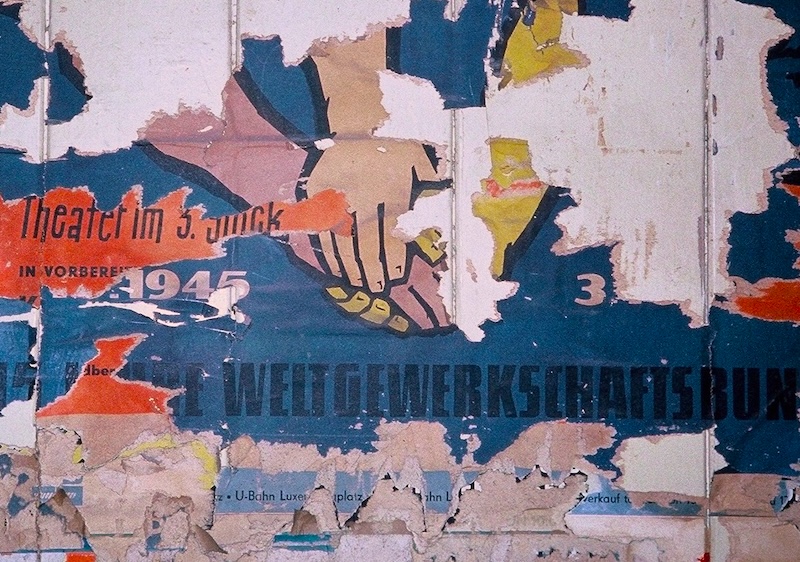
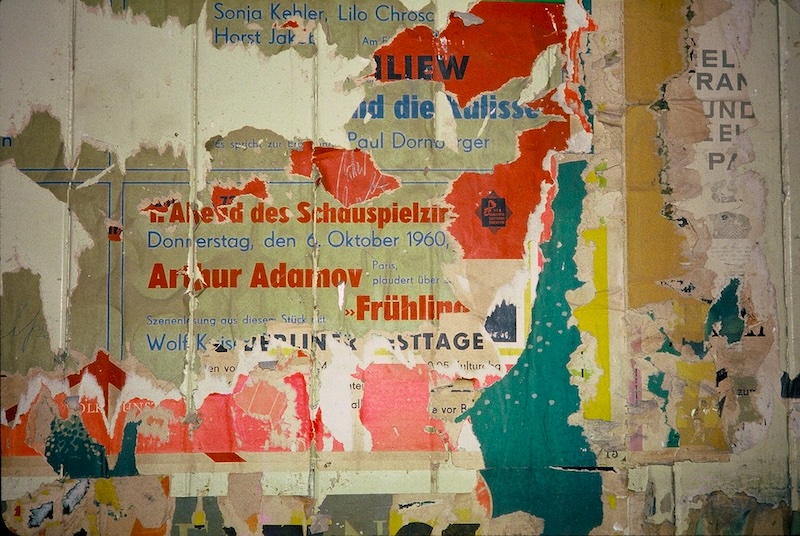
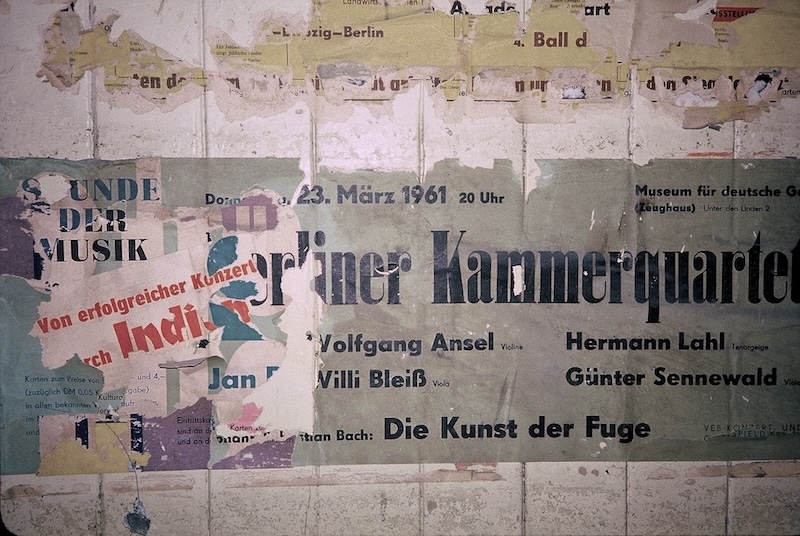
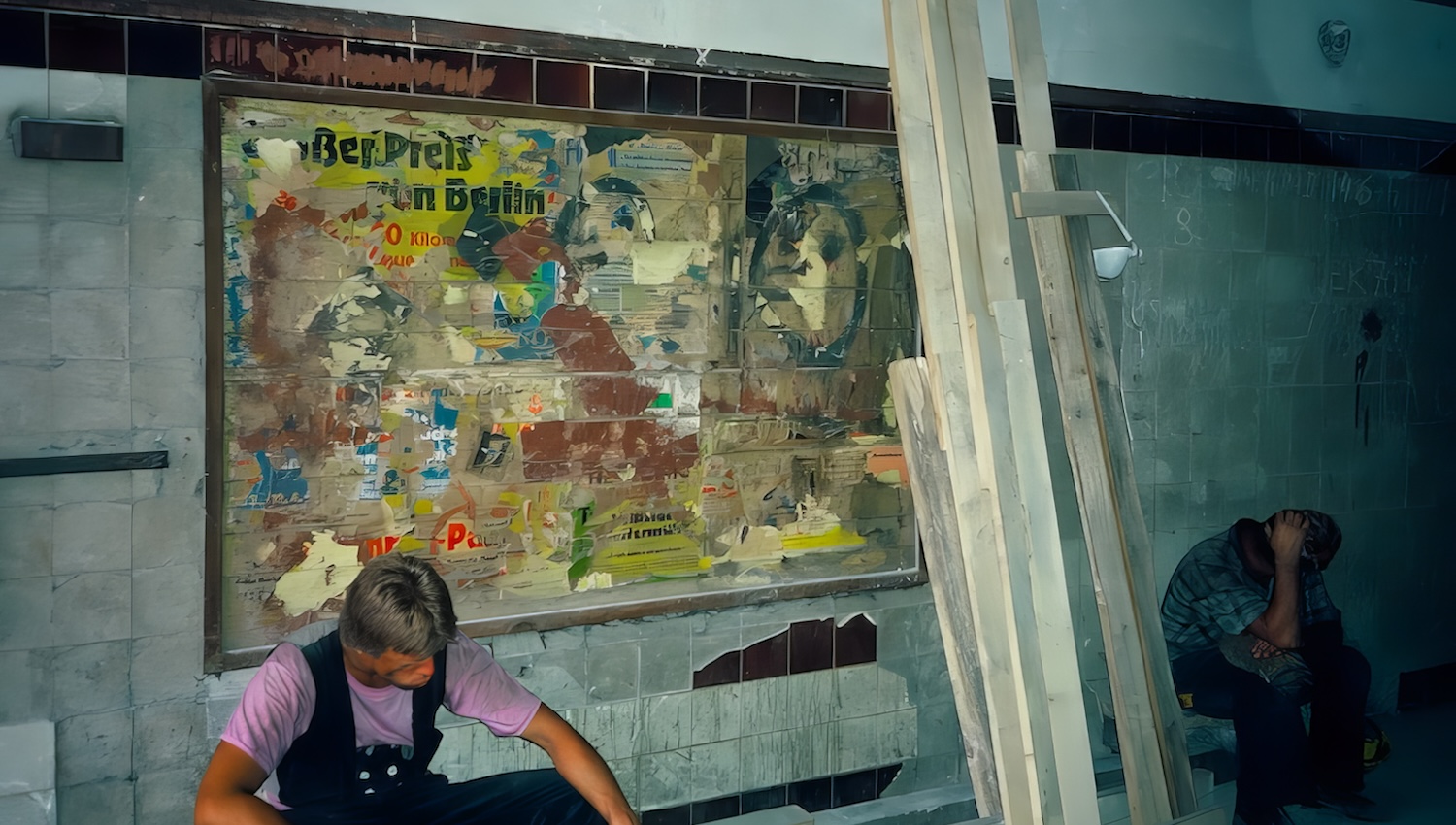
Among the most interesting posters I discovered are a few which in 1991 I had the fortune to memorialize inside a closed U-Bahn (the name for Germany’s underground railways) station, directly beneath where the Berlin Wall had been torn down about one and one half years earlier. I had been afforded a rare tour of the station by a director of the Berlin public transit system, to whom I had presented a copy of the quarterly magazine of the International Union of Public Transport based in Brussels, featuring a cover article about my artwork. One can see in the fragments of these badly damaged posters the dates of 1945, 1960 and 1961, the year that the Wall was erected and that the station at Postdamer Platz was shut down for the next 30 years.
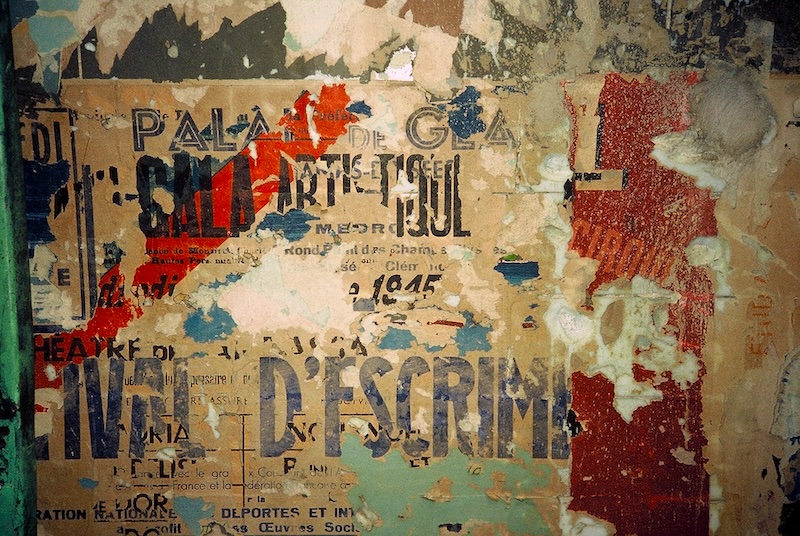
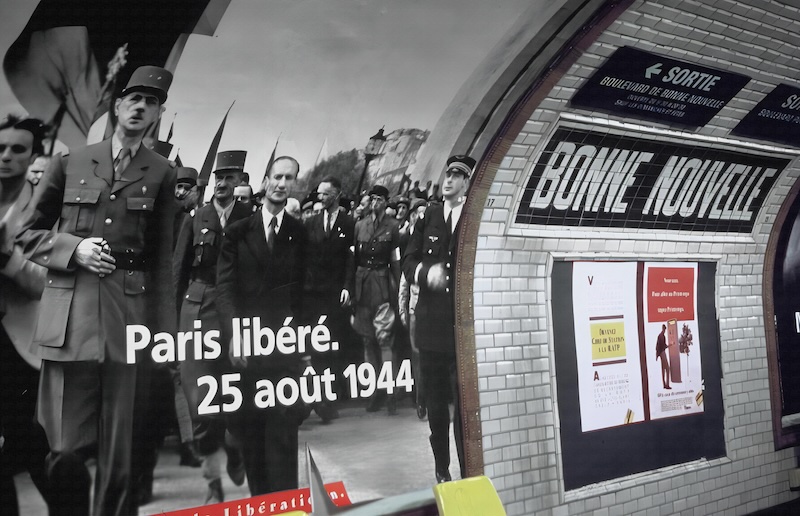
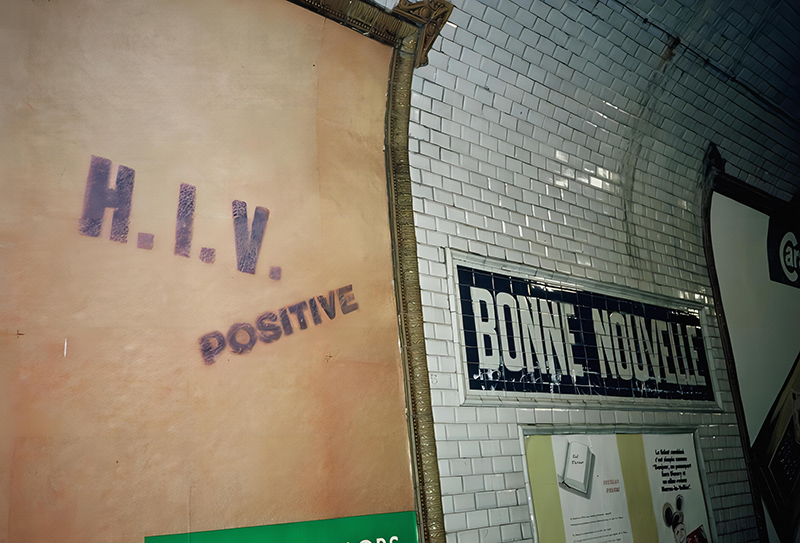
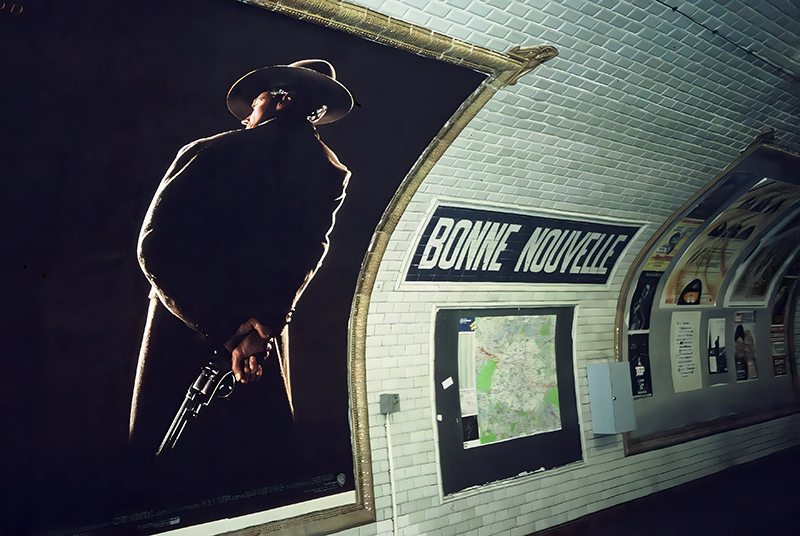
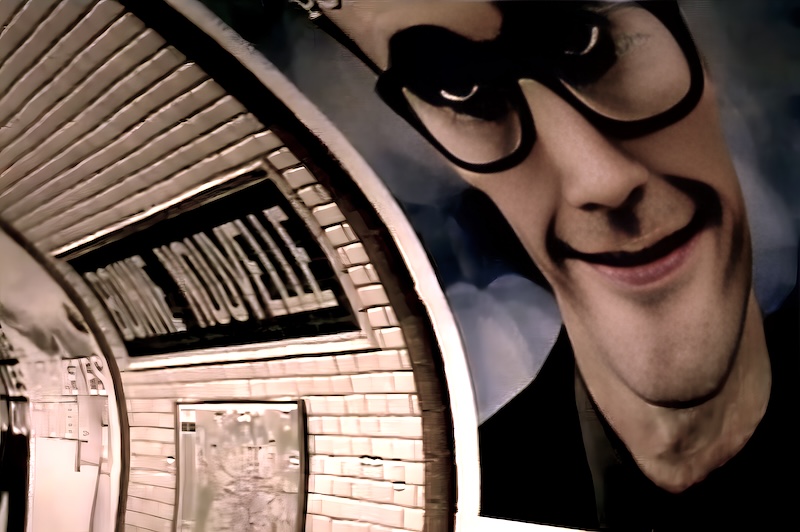
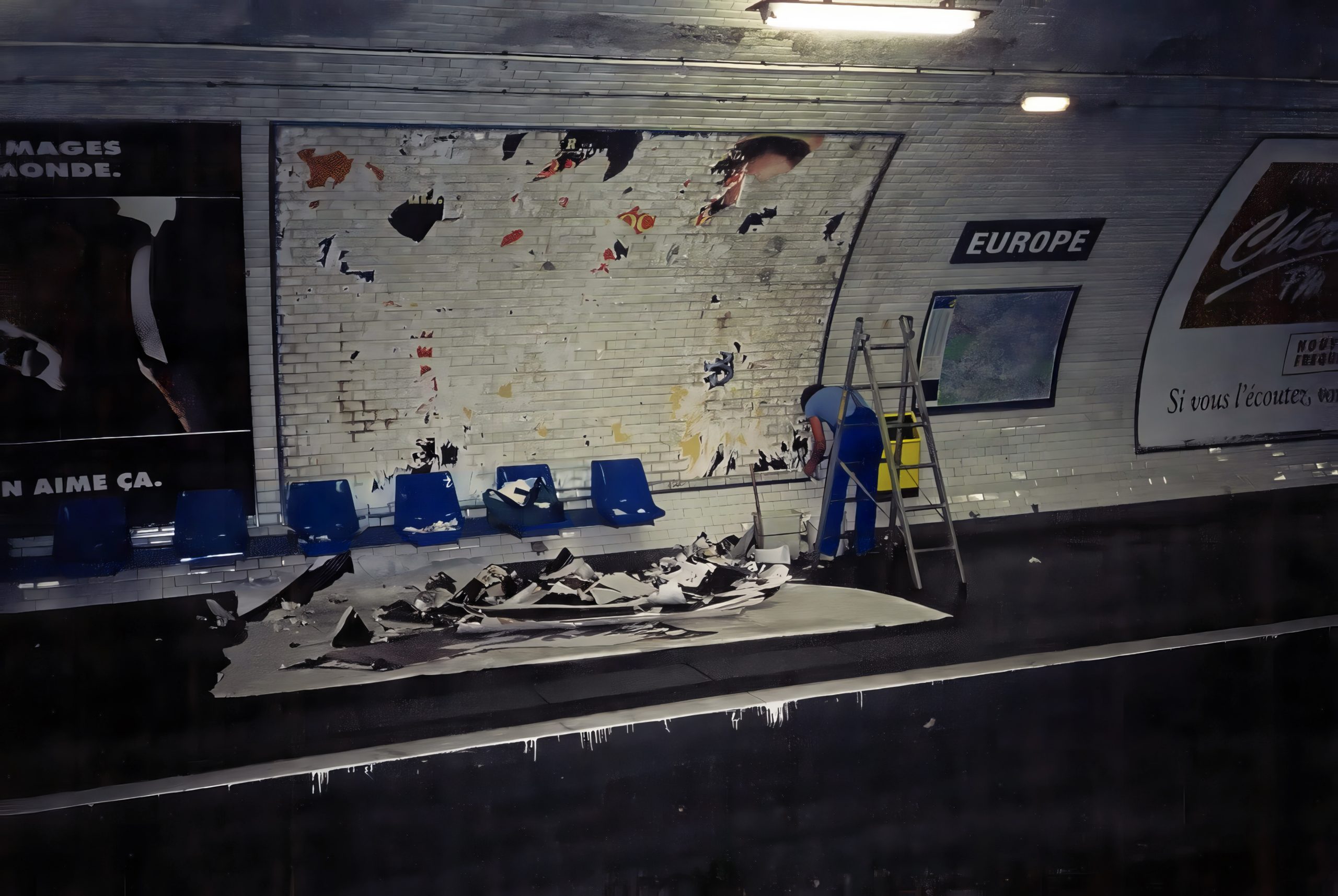
Other posters were equally intriguing, although for different reasons. My favorite metro station to repeatedly visit is known as “Bonne Nouvelle,” (“Good News,” in English) in Paris, because occasionally large posters that were adjacent to a sign of the station’s name inadvertently proved to be particularly ironic.
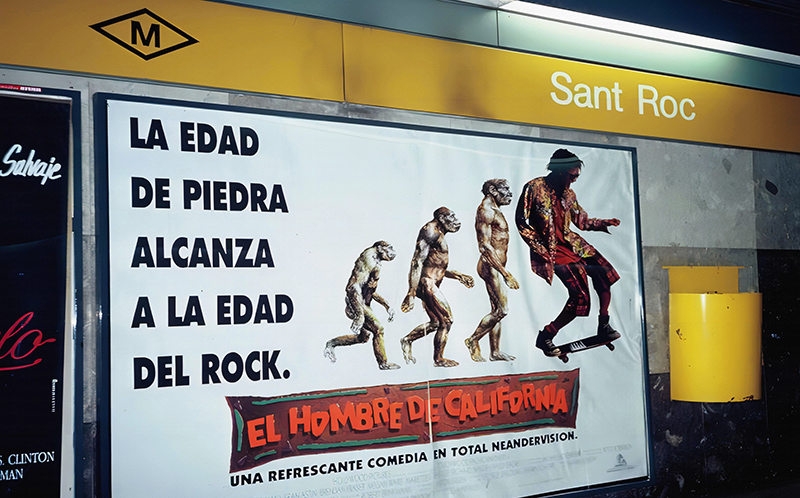
Coinciding with the 1992 Barcelona Olympics, one poster in particular struck me humorously, and in a most personal way, that was found in the Barcelona Metro station called, “Sant Roc.” God only knows if someone intentionally chose to place the advertisement for a silly Hollywood movie production beneath the name of this station, for it says: “La edad de piedra alcanza a la edad del rock” (“The age of stone reaches the age of rock.”)
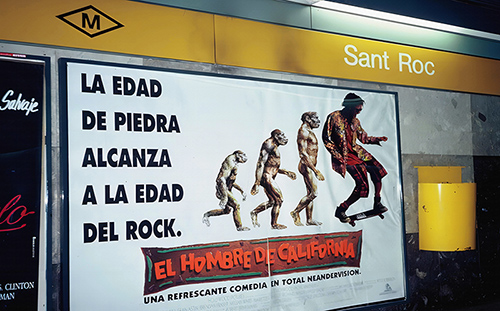
If that’s not funny enough, though a dour sign of our times, the classic depiction of the evolution of the human species, from a chimpanzee to a presumably superior human being, leads to someone coasting on a skateboard, who, as the poster is situated, is about to gleefully dive into a metro station trash can! The film’s original name is “Encino Man,” though for release overseas it was changed to the more widely comprehensible “California Man.” Hardly known abroad, Encino is a neighborhood of the San Fernando Valley, which is a short distance from the west side of Los Angeles. Its main connection to the city is the Interstate 405 Freeway, the busiest highway in California. There is an old joke that the number 405 means that it takes four or five hours to drive anywhere. This has a great deal to do with what inspired my lifelong obsession with artistically studying metro systems!
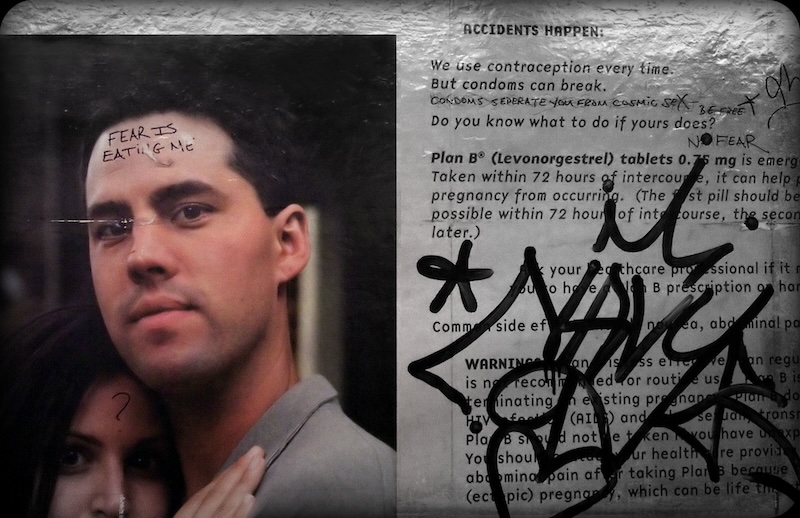
God only knows whether it was my own perception or intentional that the actual placement of the massive wall advertisements in Europe at times made wry social commentary by virtue of their actual positioning on a wall. Yet, upon a return visit to New York City after spending many years living and traveling all over Europe, I discovered that on occasion such posters had become canvases to become defaced for the sake of politically motivated graffiti messaging. Reflecting the post-9/11 paranoid, depressed Great Recession spirit of the times, I came across several that were satirical but not at all funny. Here are two such examples:
Surely, a fascinating comparative sociological study could be made of subway advertisements country-by-country. Yet, they only tell part of the story of the differences in how governments handle their role in managing public services of major urban centers. It is perhaps better late than never that Los Angeles is ever-expanding a relatively new public rail system that may or may not one day help put a dent in traffic congestion, after allowing the once largest commuter train system in the world to disintegrate decades ago. It is another that New York’s massive underground network is in no way maintained as well as those of London or Paris. It seems to be quite a dichotomy that the by far most magnificent undergrounds in the world were built in the Soviet Union during the Stalinist era. Much could be said of such seemingly ironic comparisons.